

Blog
Family Therapy Appointment Balloon Boom Game Slot Game Relationship Help in UK


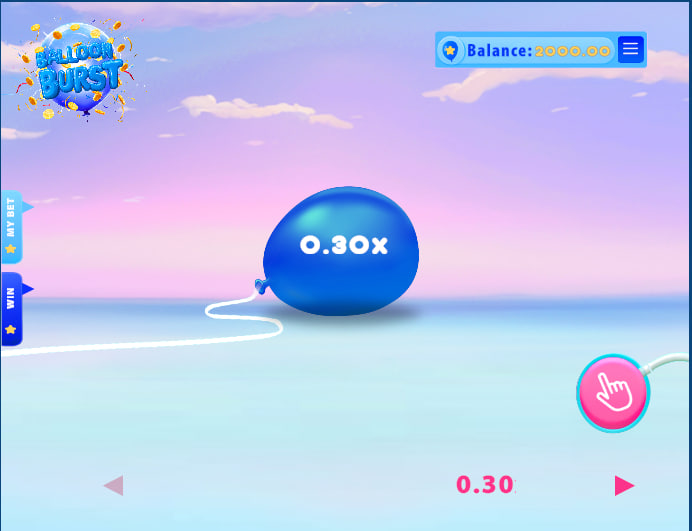
Contemporary family life can be complex https://balloonboom.uk/. The ways we search for help have shifted, reaching well past the traditional therapist’s couch. I’ve been examining how recreation and technology intersect with our social lives, and I observed something fascinating. Occasionally, a straightforward leisure activity can serve as a surprising metaphor for how we connect. Take the ‘Balloon Boom’ slot game. Superficially, this is just a digital pastime. But dig deeper, and you’ll see its mechanics—cooperation, mutual excitement, and collective rewards—reflect the core ideas behind good family counseling. Families across the UK are navigating intricate relationships, and they frequently seek out new ways to connect. A slot game cannot replace a professional therapist, naturally. However the common language and experience it generates can provide us with a different way to consider family. It highlights the value of engaging together, having common goals, and cheering for each other’s little victories.
Understanding the Comparison: Slot Mechanics and Family Dynamics
To grasp the analogy, you should recognize how a team-based slot like Balloon Boom operates. It’s not a solo activity. This kind of game has collective features where players strive toward a shared target, like pumping up a one balloon to trigger a bonus. That mechanism is a vivid picture of how a family operates. Every member’s contribution—their individual ‘spin’—contributes to the group’s effort. If none contributes, the goal goes nowhere. If everyone operates chaotically without cooperation, the balloon might explode too soon for small reward. The link to family therapy is obvious. In therapy, a counsellor guides a family to identify shared goals (the jackpot), understand each person’s role in the system (their unique spin), and discover to add in a harmonious way for a beneficial result. The slot’s natural rhythm, with its calm periods and sudden bursts of action, reflects the typical flow of family life. It imparts patience and the importance to persist.
Communication: The Lines of Understanding
In a slot machine, paylines are the essential paths to a win. For families, effective communication operates the similar way. These pathways are the crucial paylines. When they get clogged with bitterness, confusion, or poor listening, singular effort never yields a positive outcome. Balloon Boom offers graphic and audio feedback for team actions. This acts as a fundamental model for affirming reinforcement at home. A cheerful sound for a collective contribution isn’t so dissimilar from the affirming words a counsellor instructs families to use. It redirects attention away from faulting one person and toward what you attained together, strengthening the conduct that supports the entire unit.
Risk and Payoff in a Family Framework
The risk-reward arrangement of a game also reflects family judgments. Families are constantly balancing emotional risks: the risk of sharing, of starting a hard talk, of altering old habits. The potential reward is a stronger, more resilient bond. In both situations, controlling what you expect is essential. Seeking a endless ‘bonus round’ of high drama isn’t realistic. A balanced family, like a sensible approach to gaming, finds worth in the base game—the steady, daily interactions that create security and trust incrementally.
When to Get Real Professional Help across the UK
The metaphors have value, but making a clear distinction between casual metaphor and actual expert assistance is essential. A slot game, no matter its teamwork themes, is designed for amusement. Family counselling is a skilled, healing process for addressing real and frequently distressing problems. If the patterns in your home cause major anguish, affect psychological health, or lead to dangerous actions, it’s time to find accredited support. Across the UK, assistance exists through different routes. The NHS (National Health Service) provides talking treatments, which often feature family therapy, commonly arranged through a GP referral. Charities such as Relate offer dedicated relationship and family counselling throughout the UK, via digital and in-person sessions. Private practitioners registered with the UK Council for Psychotherapy (UKCP) or the British Association for Counselling and Psychotherapy (BACP) are a further possibility. Watch for indicators like constant conflict, a full breakdown in communication, coping with major trauma or grief, or when problems like addiction, abuse, or severe behavioural issues are part of the picture.
Support and Support Groups Throughout the UK
For UK households who recognize they need support beyond metaphorical self-help, a strong network of resources is available. The first stop for numerous people is the NHS website. It contains lots of information on mental health support and how to access them. Groups like YoungMinds offer crucial support for families with children and teens dealing with mental health challenges, giving advice and directing parents toward professional help. For more targeted relationship and family counselling, Relate is a cornerstone in the UK, known for its reachable services. Your local council often manages family information services. They can point you to local support groups, parenting courses, and support. Also, many employers now provide Employee Assistance Programmes (EAPs). These commonly include confidential counselling appointments for staff and their close families. Bear in mind, seeking help indicates strength and a commitment to your family’s wellbeing. It is never a sign of weakness.
Core Tenets of Family Counselling Reflected in Play
Experienced family counselling in the UK is based on several well-known principles. It’s striking how many of these show up, in an abstract way, in the workings of a team-based, goal-based game. The first principle is unbiased assessment. A counsellor observes family patterns without making accusations. A game’s algorithm operates identically; it doesn’t criticise, it just processes input. This can create a protected bubble for interaction. Next, counselling targets identifying and altering dysfunctional patterns. In a game, if a tactic doesn’t work, players adapt. This minor practice in adapting is a significant lesson. Thirdly, good therapy enhances communication and problem-solving. A cooperative game is, at its core, a ongoing, low-stakes puzzle that needs continual, basic communication to win.
- Creating a Protected Container: The counselling room gives a confidential, boundaried space for hard talks. A game session creates a provisional ‘container’ with established rules and a definite finish time. This allows people engage without worrying an argument will spiral on forever.
- Highlighting Interdependence: In a true collaborative mode, one player cannot trigger the ‘balloon boom’ bonus alone. This provides a clear lesson: the family’s success depends on everyone. That’s a key idea of systemic family therapy.
- Reframing Viewpoints: Counsellors help families consider problems in a different light. A game naturally shifts a family’s dynamic from ‘parent against teenager’ to ‘team against a challenge,’ creating alliances instead of opposition.
The Importance of Shared Experience in Modern UK Families
Life in the UK today moves fast. Family setups are diverse, and finding quality time together is difficult. Digital devices often separate family members rather than uniting them. But the way families participate in interactive games, even in a casual watching or playing capacity, shows a deep hunger for a common focus. A title such as Balloon Boom, with its vibrant colours, easy rules, and defined aim, can serve as a relaxed joint pastime. It offers a non-contentious topic for discussion, a collective “we did that” moment free from old family baggage or arguments. Building on this neutral foundation, families can work on the precise abilities counselling seeks to foster: sharing turns, providing support, and dealing with letdowns or excitement as a team. This form of joint screen time is the contemporary take on a board game night. It delivers a structured, entertaining setting for engagement that can reduce friction and generate new, uplifting recollections.
Actionable Advice: From Virtual Fun to Improved Conversation
How can relatives use the attractive setup of a common task to kickstart better connections? The objective is to intentionally move the teamwork felt during play into regular discussion. Begin by picking a low-stakes, collaborative activity—this might be a game, a jigsaw puzzle, or a craft project. The principles are clear: concentrate on the shared goal, use positive encouragement, and subsequently, talk not about the score but about how you collaborated as a team. Ask questions the activity prompts: “What was our best team move today?” or “How could we work together more efficiently next time?” This terminology stems from team-building. It’s non-confrontational and looks forward. It guides conversation away from individual blame and toward making the system better. Schedule these ‘connection sessions’ in the calendar as consistently as a therapist visit, and protect that time from distractions. The activity becomes the neutral zone, akin to the counsellor’s room, where new methods of communication can be tested safely.
- Start a Regular ‘Game Session’: Set aside 30 minutes each week for a team-based exercise with a defined, common objective. Ensure it is a phone-free zone.
- Practice Observational Language: Discuss the process, not the person. Attempt “We’re nearly there as a team!” instead of “You messed that up.”
- Perform a Follow-Up Discussion: Use five minutes to chat about what worked well about working together and one minor tweak for next time. Keep it short and upbeat.
- Extend the Metaphor: Subtly connect the experience to real life. “We discussed it well to solve that puzzle; maybe we could use a comparable discussion to plan the weekly shopping.”
Integrating Playfulness with Intent
Examining the unexpected link between a slot game’s design and family counselling ideas highlights a bigger reality about how people interact. Even in a time of digital diversion, our basic human desires stay the same. We need shared purpose, positive response, and the opportunity to succeed together. The ‘Balloon Boom’ metaphor isn’t an answer, but it’s a vivid example. It shows us that healthy families, much like good cooperative play, need clear dialogue, aligned goals, mutual endeavor, and the capability to enjoy group achievements. For families in the UK, building stronger bonds might start with a deliberate decision to weave these ideas into daily routine, using shared experiences as preparation for better interaction. But when problems run profound, the smart step is to understand the professional support network across the UK exists for a reason. It delivers the expert direction needed. The goal, whether through a playful comparison or professional support, remains unchanged: to create a family framework where everyone feels listened to, appreciated, and part of a shared path, making the everyday spins of life into a common story of fortitude and bond.